
Explore Investment Opportunities in One of the Middle East's Largest Markets
Iran is home to one of the region's largest consumer markets, abundant natural resources, and a diversified industrial economy. Whether you are considering manufacturing, energy, mining, agriculture, technology, healthcare, or real estate, understanding the country's legal framework and investment environment is essential. At Dorna Report, we provide strategic investment advisory, market intelligence, legal guidance, and business consulting to help international investors evaluate opportunities and navigate Iran's evolving business landscape with confidence.
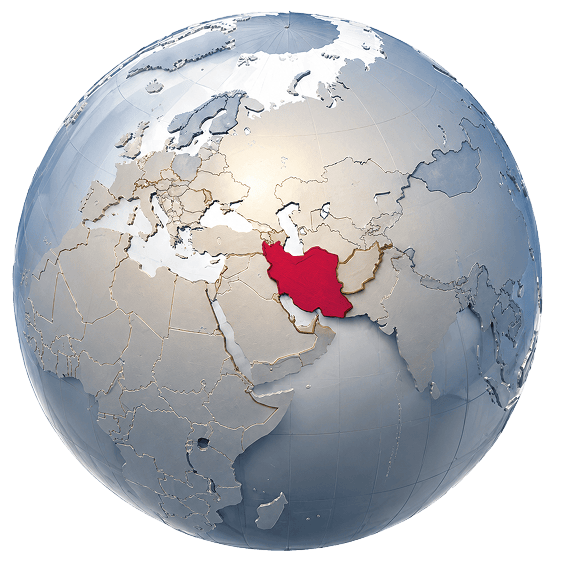
Iran offers a unique combination of market size, industrial capacity, and strategic geography that distinguishes it from many emerging economies in the region. While investment decisions require careful assessment of legal and regulatory considerations, the country continues to attract interest from businesses seeking long-term growth opportunities across multiple sectors.
90+ Million Consumers
Gateway to the Middle East, Central Asia & the Caucasus
Foreign Investment Promotion and Protection Act (FIPPA)
Energy, Manufacturing, Mining, Agriculture, Technology, Healthcare
Joint Venture, Company Registration, FIPPA Projects, Free Trade Zones
Investment Advisory, Market Research, Legal Guidance & Business Support
Iran combines strategic geography, a large domestic market, extensive natural resources, and an established industrial base, creating opportunities across multiple sectors of the economy. For investors with a long-term perspective and a well-planned market entry strategy, the country offers significant potential in manufacturing, infrastructure, energy, technology, and consumer industries.
Large Consumer Market
With a population exceeding 90 million, Iran is one of the largest consumer markets in the Middle East. Growing demand across healthcare, consumer goods, housing, financial services, and industrial products creates diverse opportunities for domestic production and long-term investment.
Strategic Location
Situated between the Gulf, Central Asia, the Caucasus, South Asia, and Europe, Iran provides access to regional trade corridors and neighboring markets. Its geographic position makes the country an important logistics and manufacturing hub for businesses targeting regional expansion.
Rich Natural Resources
Iran possesses some of the world's largest reserves of oil and natural gas, alongside substantial deposits of copper, iron ore, zinc, gold, and other valuable minerals. These resources support investment opportunities across energy, mining, petrochemicals, and industrial production.
Diversified Economy
Unlike many resource-dependent economies, Iran has developed strong capabilities in manufacturing, pharmaceuticals, agriculture, automotive production, construction materials, food processing, and technology, providing investors with a broad range of sectors to explore.
Skilled Workforce
Iran's universities produce thousands of graduates each year in engineering, medicine, information technology, and applied sciences. This highly educated workforce supports knowledge-based industries and advanced manufacturing.
Competitive Production Environment
Access to domestic raw materials, industrial infrastructure, and experienced technical professionals allows many businesses to achieve competitive production costs while serving both domestic and regional markets.
Iran's economy offers opportunities across traditional industries and emerging sectors. Selecting the right investment area depends on market demand, regulatory requirements, and long-term business strategy.
Iran combines strategic geography, a large domestic market, extensive natural resources, and an established industrial base, creating opportunities across multiple sectors of the economy. For investors with a long-term perspective and a well-planned market entry strategy, the country offers significant potential in manufacturing, infrastructure, energy, technology, and consumer industries.

Ready to Explore Investment Opportunities in Iran?
Whether you are evaluating a new project, expanding into the Iranian market, or seeking reliable market intelligence, our experts can help you assess opportunities, understand regulations, and develop a practical investment strategy tailored to your business objectives.
Successful investment begins with reliable information, careful planning, and local market expertise. At Dorna Report, we help international investors understand Iran's business environment through data-driven analysis, strategic advisory, and practical market insights. Whether you are exploring your first investment opportunity or expanding an existing business, our team provides objective guidance tailored to your investment goals and industry.
Independent Market Intelligence
Investment decisions should be based on verified information rather than assumptions. We monitor economic developments, regulatory updates, sector performance, and investment trends to provide actionable market intelligence for foreign investors.
Investment Opportunity Assessment
Every project has its own opportunities and risks. We evaluate market potential, competitive conditions, regulatory requirements, and commercial feasibility to help investors make informed decisions before committing capital.
Legal & Regulatory Guidance
Understanding Iran's investment laws is essential for a successful market entry. We help investors navigate the Foreign Investment Promotion and Protection Act (FIPPA), company registration procedures, licensing requirements, and sector-specific regulations in cooperation with experienced legal professionals.
Business Partner Identification
Finding the right local partner can significantly reduce operational risks. We assist investors in identifying qualified companies, suppliers, manufacturers, distributors, and strategic partners that align with their business objectives.
Market Entry Strategy
Every industry requires a different approach. We help clients select the most suitable investment structure, evaluate market-entry options, and develop a practical strategy based on their commercial goals and regulatory considerations.
Long-Term Business Support
Our services do not end with an initial consultation. We aim to support investors throughout different stages of their business journey by providing market updates, investment insights, and ongoing advisory services.
Dorna Report offers a range of advisory and business support services designed to simplify the investment process in Iran. Our goal is to provide investors with reliable information, professional guidance, and access to trusted local expertise.
Receive strategic guidance tailored to your investment objectives, industry, and risk profile. We help investors evaluate opportunities and understand the broader economic landscape before entering the market.
Our research services provide industry analysis, competitor assessments, demand forecasts, investment potential, and commercial viability studies to support informed decision-making.
For investors planning to establish a legal presence in Iran, we provide guidance throughout the company formation process, including regulatory requirements, documentation, and coordination with relevant professionals.
Understanding the Foreign Investment Promotion and Protection Act (FIPPA) is essential for many international investors. We explain the application process, investment structures, legal protections, and regulatory considerations associated with approved foreign investments.
Building reliable local relationships is often a key factor in successful market entry. We help connect investors with carefully selected manufacturers, suppliers, distributors, consultants, and business partners based on project requirements.
Navigating legal, tax, customs, and licensing requirements can be complex. We provide guidance to help investors understand applicable regulations and identify appropriate professional resources when specialized legal or tax advice is required.
We provide tailored advisory services across a wide range of industries, including energy, mining, manufacturing, healthcare, technology, agriculture, tourism, real estate, logistics, and infrastructure.

Ready to Invest in Iran?
Entering a new market requires reliable information, experienced guidance, and a well-defined strategy. Whether you are exploring investment opportunities, planning to establish a company, or evaluating a specific project, Dorna Report is ready to help you make informed decisions. Our advisory services are designed for entrepreneurs, corporations, family offices, and institutional investors seeking practical insights into Iran's evolving business environment.
Iran remains one of the Middle East’s largest untapped markets, combining significant natural resources, a diversified industrial base, a strategic geographic location, and a population of more than 90 million people. While international sanctions and financial restrictions continue to shape the country’s investment landscape, sectors such as manufacturing, mining, renewable energy, agriculture, healthcare, technology, and tourism continue to attract interest from regional investors seeking long-term opportunities. Understanding the legal framework, regulatory environment, and operational challenges is essential before making any investment decision.
Investment in Iran has long been a subject of interest among international businesses, sovereign investors, trading companies, and entrepreneurs looking for opportunities in one of the Middle East’s largest economies. Located at the crossroads of Central Asia, the Caucasus, the Persian Gulf, and the Indian Ocean, Iran offers access to a regional market connecting hundreds of millions of consumers through established trade corridors and transport networks.
According to the World Bank, Iran possesses one of the most diversified economies in the Middle East and North Africa (MENA), with economic activity spanning hydrocarbons, manufacturing, agriculture, mining, transportation, healthcare, financial services, and information technology. This diversity distinguishes Iran from many resource-dependent economies in the region and provides multiple entry points for investors with different risk profiles.
According to the International Monetary Fund (IMF), despite periods of economic volatility driven by sanctions, inflation, and exchange-rate fluctuations, Iran has maintained substantial industrial production capacity and a relatively broad domestic manufacturing sector. The country’s large internal market continues to support demand across consumer goods, industrial equipment, pharmaceuticals, construction materials, and agricultural products.
Iran also holds one of the world’s largest combined reserves of oil and natural gas. According to the U.S. Energy Information Administration (EIA), Iran ranks among the world’s leading holders of proven crude oil and natural gas reserves, giving the country strategic importance in global energy markets despite restrictions affecting exports and foreign participation.
However, investing in Iran requires considerably more preparation than investing in many neighboring markets. International sanctions, banking limitations, currency volatility, licensing requirements, and evolving regulatory conditions all influence the investment environment. Foreign investors must therefore evaluate both commercial opportunities and legal compliance before committing capital.
This guide provides a comprehensive overview of investment opportunities in Iran, explains the legal framework governing foreign direct investment, examines major economic sectors, outlines incentives available to investors, discusses banking and money transfer considerations, and highlights the principal risks that international businesses should assess before entering the Iranian market.
Although Iran presents a complex business environment, several structural factors continue to attract attention from international investors, particularly those operating within Asia, the Middle East, and neighboring regional markets.
According to the World Bank, Iran’s population exceeds 90 million, making it one of the largest domestic consumer markets in the Middle East. A sizeable urban population, widespread industrialization, and demand across sectors including healthcare, food processing, housing, transportation, financial services, and consumer products create opportunities that are uncommon in many smaller Gulf economies.
Unlike countries that rely heavily on imported manufactured goods, Iran has developed extensive domestic production capabilities across numerous industries. This creates opportunities not only for exporters but also for investors interested in local manufacturing, industrial partnerships, technology transfer, and supply chain development.
Iran occupies a strategically important location connecting the Middle East, Central Asia, the Caucasus, South Asia, and Europe. The country borders 15 neighboring countries by land or sea and provides access to major regional transport corridors.
According to the United Nations Conference on Trade and Development (UNCTAD), geographic connectivity remains an important competitive advantage for countries seeking to develop logistics, manufacturing, and regional trade hubs. Iran’s position along international transit routes, including the International North–South Transport Corridor (INSTC), has increased its importance in discussions surrounding regional supply chains.
For investors focused on logistics, warehousing, industrial production, and export-oriented manufacturing, geographic positioning can represent a significant long-term advantage.
Iran possesses extensive reserves of hydrocarbons, minerals, agricultural land, and renewable energy resources.
According to the U.S. Energy Information Administration (EIA), Iran is among the world’s largest holders of proven oil and natural gas reserves. Meanwhile, data published by the United States Geological Survey (USGS) and Iranian mining authorities indicate substantial deposits of copper, iron ore, zinc, lead, chromite, rare earth elements, and decorative stone.
These resources support investment opportunities across mining, metals processing, petrochemicals, construction materials, and downstream manufacturing.
Unlike many emerging economies that rely heavily on imports, Iran has developed significant industrial capabilities over several decades.
According to the World Bank, manufacturing contributes a meaningful share of Iran’s non-oil economy. Industries include automotive production, pharmaceuticals, steel, cement, chemicals, machinery, electronics assembly, food processing, textiles, and household appliances.
This industrial foundation provides opportunities for foreign companies seeking joint ventures, technology partnerships, licensing agreements, industrial modernization, or equipment supply.
Despite international restrictions affecting parts of its economy, Iran maintains commercial relationships with numerous countries across Asia and neighboring regions.
According to official statistics published by the Islamic Republic of Iran Customs Administration (IRICA), non-oil exports include petrochemicals, steel products, agricultural commodities, food products, cement, minerals, plastics, and industrial goods destined for markets across Iraq, the UAE, Turkey, China, Central Asia, and other neighboring economies.
Companies seeking to establish regional manufacturing operations may view Iran not only as a domestic market but also as a potential production base serving nearby countries, subject to applicable international regulations and sanctions.
Foreign direct investment (FDI) in Iran has experienced significant fluctuations over the past two decades, largely reflecting geopolitical developments, international sanctions, commodity prices, and changes in domestic economic policy.
According to the United Nations Conference on Trade and Development (UNCTAD) World Investment Report, Iran continues to receive foreign direct investment despite external constraints, although annual inflows remain well below their historical peaks achieved during periods of improved international engagement.
The majority of foreign investment has historically concentrated in sectors such as:
China has emerged as one of Iran’s most significant economic partners in recent years, particularly through infrastructure cooperation, industrial investment, and energy-related projects. Other regional investors have also participated in selected sectors where legal and regulatory conditions permit.
Foreign investment in Iran generally takes several forms, including wholly foreign-owned enterprises in permitted sectors, joint ventures with Iranian companies, contractual cooperation agreements, technology licensing arrangements, project financing, and participation in industrial zones or free trade zones. The structure chosen depends on the applicable regulations, the industry involved, and the investor’s commercial objectives.
It is important to note that the availability of investment opportunities may differ substantially between sectors because certain industries remain subject to additional regulatory oversight or international restrictions.
The principal legislation governing foreign investment in Iran is the Foreign Investment Promotion and Protection Act (FIPPA), enacted in 2002.
According to the Organization for Investment, Economic and Technical Assistance of Iran (OIETAI), FIPPA was introduced to encourage foreign capital by providing a legal framework that recognizes foreign investors’ rights while defining procedures for investment approval and protection.
Under FIPPA, eligible foreign investments may benefit from several legal protections, including:
Investment projects generally require approval through OIETAI before qualifying for FIPPA protections. The approval process involves reviewing the proposed investment, the sector concerned, compliance with Iranian regulations, and the project’s economic contribution.
However, legal protection under FIPPA does not exempt investors from international sanctions regimes or the compliance requirements imposed by their home jurisdictions. Companies should therefore obtain specialized legal advice before proceeding with any investment involving Iran.
In principle, foreign individuals, multinational corporations, private investment funds, institutional investors, and international companies may apply to invest in Iran under the country’s foreign investment regulations, provided their activities comply with Iranian law.
Eligible investors may include:
Investment may be carried out through direct ownership where permitted, joint ventures with Iranian partners, participation in free trade and special economic zones, or contractual investment arrangements recognized under Iranian law.
Nevertheless, market access is not uniform across all industries. Certain strategic sectors remain subject to additional government oversight, licensing requirements, or ownership restrictions. Furthermore, foreign investors must carefully assess the impact of international sanctions, export control regulations, financial compliance obligations, and banking limitations before establishing operations or transferring capital into Iran.
Entering the Iranian market requires considerably more preparation than investing in many other emerging economies. In addition to evaluating commercial opportunities, foreign investors must understand the country’s legal framework, licensing procedures, banking limitations, tax rules, sector-specific regulations, and the implications of international sanctions.
According to the Organization for Investment, Economic and Technical Assistance of Iran (OIETAI), most foreign direct investments seeking legal protection are carried out under the Foreign Investment Promotion and Protection Act (FIPPA). The organization serves as the principal government body responsible for reviewing foreign investment applications and coordinating with relevant ministries.
While procedures vary depending on the industry and project size, foreign investors generally follow several key steps before commencing operations.
Before selecting an investment project, investors should undertake detailed commercial, financial, legal, and regulatory due diligence.
This process typically includes:
Given the complexity of Iran’s regulatory environment, engaging experienced legal and financial advisers with expertise in cross-border transactions is considered essential.
Foreign investors may choose different legal structures depending on their commercial objectives and applicable regulations.
Common structures include:
According to OIETAI, investment projects seeking FIPPA protection generally require prior approval before capital is transferred.
Projects wishing to benefit from legal protections under FIPPA must submit an application to OIETAI.
According to OIETAI’s published procedures, applications generally include:
Following review, approved investments may qualify for protections relating to capital repatriation and investment security under Iranian law.
Foreign investors establishing permanent operations generally register a legal entity under the supervision of the Companies Registration Office.
Registration requirements differ according to business activity, ownership structure, and licensing needs.
Certain sectors—including banking, insurance, telecommunications, mining, pharmaceuticals, and energy—require additional approvals from sector regulators.
Many industries require licenses before commercial operations can begin.
Examples include:
The licensing timeline varies significantly by industry.
Capital transfer remains one of the most challenging aspects of investing in Iran.
International banking sanctions have limited Iran’s integration with the global financial system. As a result, investors should obtain specialist legal advice regarding payment mechanisms, sanctions compliance, and permissible financial channels before transferring funds.
Iran possesses one of the most diversified economies in the Middle East. Unlike several neighboring economies whose GDP depends primarily on hydrocarbons, Iran has developed extensive industrial, agricultural, mining, pharmaceutical, and manufacturing capabilities over several decades.
Below are the sectors that continue to attract the greatest attention from domestic and regional investors.
Iran’s energy sector remains the country’s largest strategic industry.
According to the U.S. Energy Information Administration (EIA), Iran holds some of the world’s largest proven reserves of crude oil and natural gas. The country also possesses extensive petrochemical production capacity that supplies domestic industries and export markets.
Major investment opportunities include:
However, this sector is also among the most affected by international sanctions. Investors must carefully evaluate applicable sanctions laws before considering participation.
Mining represents one of Iran’s most underdeveloped yet potentially attractive investment sectors.
According to the U.S. Geological Survey (USGS) and Iran’s Ministry of Industry, Mine and Trade, the country possesses substantial reserves of:
Iran ranks among the world’s significant producers of several industrial minerals, while many deposits remain underexplored compared with global mining jurisdictions.
Investment opportunities include:
As global energy markets shift toward lower-carbon generation, renewable energy has become one of Iran’s emerging investment sectors.
According to the International Renewable Energy Agency (IRENA), Iran possesses significant solar and wind potential due to its geography and climate.
Government authorities have announced policies encouraging additional renewable electricity generation to reduce pressure on domestic natural gas consumption.
Potential investment areas include:
Although financing remains challenging, renewable energy is increasingly viewed as a long-term strategic sector.
Manufacturing forms one of the largest components of Iran’s non-oil economy.
According to the World Bank, Iran maintains diversified industrial production across numerous sectors, including:
Foreign companies frequently evaluate opportunities involving:
Growing domestic demand continues to support industrial activity despite external economic pressures.
Iran has developed one of the Middle East’s largest pools of engineering and technical graduates.
According to the World Intellectual Property Organization (WIPO) and various academic studies, the country has experienced sustained growth in software development, fintech, artificial intelligence research, e-commerce, biotechnology, and digital services.
Promising investment areas include:
Although international payment restrictions create operational challenges, the domestic digital economy continues to expand.
Agriculture remains an important contributor to Iran’s economy and export sector.
According to the Food and Agriculture Organization (FAO), Iran produces a wide variety of agricultural products, including:
Investment opportunities include:
Demand for value-added agricultural products continues to increase across regional markets.
Iran possesses one of the world’s richest collections of historical, archaeological, religious, and cultural attractions.
According to UNESCO, Iran is home to numerous World Heritage Sites spanning ancient Persian civilization, Islamic architecture, and cultural landscapes.
Potential investment areas include:
The sector’s future growth depends largely on improvements in international connectivity and travel conditions.
Real estate continues to attract domestic investors, although foreign ownership rules require careful consideration.
Foreign nationals may acquire certain types of property in Iran under applicable laws and subject to government approval. However, ownership rights are not identical to those enjoyed by Iranian citizens, and restrictions may apply depending on the property’s location, intended use, and reciprocity principles.
Foreign ownership of agricultural land and strategically sensitive areas is generally subject to additional legal limitations.
Investors should always conduct title verification and legal due diligence before purchasing real estate.
Iran hosts one of the largest automotive manufacturing industries in the Middle East.
According to the International Organization of Motor Vehicle Manufacturers (OICA), Iran has consistently ranked among the region’s leading vehicle producers.
Investment opportunities include:
Future development depends on technology transfer and industrial modernization.
Healthcare has become an increasingly important investment sector.
Iran possesses a well-developed domestic pharmaceutical manufacturing industry alongside growing demand for advanced medical equipment, biotechnology, diagnostics, and hospital infrastructure.
Potential investment areas include:
Population ageing and rising healthcare demand continue to support long-term growth.
The Tehran Stock Exchange (TSE) is one of the largest capital markets in the Middle East by number of listed companies.
The exchange includes firms operating across:
While Iranian regulations allow certain forms of foreign participation, international sanctions, banking restrictions, custody arrangements, and settlement limitations significantly affect practical market access for many foreign institutional investors.
Professional legal and financial advice is strongly recommended before investing in Iranian securities.
Gold has traditionally been viewed in Iran as both a store of value and a hedge against inflation and currency depreciation.
Investment opportunities include:
Investors should be aware that trading precious metals is subject to domestic financial regulations, customs rules, taxation, anti-money laundering requirements, and, where applicable, international sanctions compliance.
Despite the challenges associated with sanctions and financial restrictions, Iran continues to attract interest from regional investors because of its long-term economic fundamentals. For companies with a thorough understanding of the regulatory environment and a carefully designed market-entry strategy, the country offers opportunities that are difficult to find elsewhere in the Middle East.
According to the World Bank, Iran is home to more than 90 million people, making it one of the largest consumer markets in the Middle East and North Africa (MENA). A relatively diversified economy, high urbanization, and an established industrial base support demand across sectors such as consumer goods, healthcare, construction materials, food processing, automotive products, and technology services.
For investors seeking scale rather than dependence on exports alone, the size of the domestic market is a significant competitive advantage.
Unlike many hydrocarbon-dependent economies, Iran has developed substantial industrial capabilities across multiple sectors. According to the World Bank, manufacturing, mining, agriculture, transportation, financial services, and information technology all contribute to national economic activity.
This diversification reduces reliance on a single sector and creates opportunities for investors pursuing long-term industrial partnerships, technology transfer, or production-oriented investments.
Iran occupies a unique position between the Persian Gulf, the Caspian Sea, Central Asia, the Caucasus, South Asia, and the Middle East. This location enables access to several regional markets through land and maritime transport routes.
According to UNCTAD, countries positioned along major international trade corridors can benefit from increased logistics, manufacturing, and distribution activities. Iran’s participation in initiatives such as the International North–South Transport Corridor (INSTC) has strengthened its role in regional connectivity.
According to the World Bank and UNESCO Institute for Statistics, Iran has a large pool of university graduates in engineering, science, medicine, and technology. This skilled workforce supports industries such as manufacturing, pharmaceuticals, software development, engineering services, and research-intensive businesses.
Access to technically qualified professionals has encouraged the growth of domestic innovation in sectors including biotechnology, nanotechnology, artificial intelligence, and advanced manufacturing.
Iran possesses one of the world’s richest combinations of natural resources.
According to the U.S. Energy Information Administration (EIA), the country ranks among the global leaders in proven crude oil and natural gas reserves. In addition, the U.S. Geological Survey (USGS) reports significant deposits of copper, iron ore, zinc, lead, chromite, gold, and other industrial minerals.
These resources underpin investment opportunities across energy, mining, metals, petrochemicals, and downstream manufacturing.
For certain industries, Iran offers comparatively competitive production costs due to local raw materials, an established industrial ecosystem, and a large labor force. While inflation and exchange-rate volatility can affect operating expenses, export-oriented manufacturers may find cost advantages in sectors where domestic supply chains are well developed.
Any assessment of investment in Iran must also consider the country’s complex risk environment. International investors should balance commercial opportunities against legal, financial, geopolitical, and operational challenges.
The most significant challenge remains international sanctions.
According to guidance issued by the U.S. Department of the Treasury’s Office of Foreign Assets Control (OFAC) and the European Union, various sanctions continue to affect trade, financial transactions, energy projects, shipping, insurance, and access to international banking services.
The scope of applicable restrictions depends on the investor’s nationality, the jurisdiction in which the company operates, the sector involved, and the nature of the transaction. Businesses should obtain specialized legal advice to ensure compliance with all relevant sanctions regimes.
International banking remains one of the principal operational challenges.
Many global financial institutions maintain limited or no direct banking relationships with Iranian banks because of sanctions and compliance requirements. This can complicate international payments, trade finance, foreign exchange transactions, and the repatriation of profits.
According to the World Bank, access to international finance remains a structural constraint for private-sector investment in Iran.
The Iranian rial has experienced significant fluctuations over the past decade.
According to the Central Bank of Iran (CBI), multiple exchange-rate mechanisms have existed at different times, while inflationary pressures have contributed to currency depreciation. For foreign investors, exchange-rate movements can affect project costs, import prices, operating expenses, and the value of repatriated earnings.
Currency risk management should therefore be incorporated into investment planning.
Certain sectors require multiple government approvals, industry-specific licenses, and ongoing regulatory compliance. Investors should expect administrative procedures that may differ from those in OECD or Gulf Cooperation Council (GCC) jurisdictions.
Changes in regulations, customs procedures, or sector-specific policies may also influence project implementation.
Regional geopolitical developments can affect investor confidence, trade routes, insurance costs, financing conditions, and supply chains.
International businesses should incorporate geopolitical risk assessments into their investment decisions and regularly monitor developments that could affect operations.
Iran has experienced periods of elevated inflation in recent years. According to the International Monetary Fund (IMF), inflation has influenced consumer purchasing power, production costs, wage expectations, and business planning.
Companies should adopt pricing strategies and financial models that account for potential inflationary pressures.
Understanding Iran’s monetary environment is essential for foreign investors.
The country’s official currency is the Iranian rial (IRR). In everyday commercial transactions, however, prices are frequently quoted in tomans, an informal unit equal to ten rials. Investors unfamiliar with the distinction should verify all contracts and financial documents to avoid misunderstandings.
According to the Central Bank of Iran, foreign exchange policies have evolved over time in response to economic conditions, sanctions, and monetary policy objectives. Depending on the regulatory framework in place, different exchange rates may apply to specific categories of imports, exports, or financial transactions.
Because exchange-rate volatility can materially affect investment returns, businesses should consider:
Professional tax and financial advice is recommended before structuring large investments.
Iran offers several incentives aimed at attracting domestic and foreign investment, particularly in sectors that support industrial development, exports, and regional economic growth.
According to the Organization for Investment, Economic and Technical Assistance of Iran (OIETAI) and the Foreign Investment Promotion and Protection Act (FIPPA), qualifying foreign investments may benefit from legal protections that include the possibility of profit repatriation and protection against expropriation, subject to Iranian law and project approval.
Additional incentives may include:
Iran has established several Free Trade–Industrial Zones, including Kish, Qeshm, Chabahar, Aras, Anzali, and Arvand.
According to the Free Zones High Council, these zones offer advantages such as:
The availability and duration of incentives vary depending on the applicable regulations and the specific zone.
Iran also operates numerous Special Economic Zones designed to encourage industrial production, exports, and manufacturing investment.
These zones typically provide infrastructure, industrial land, and customs facilities tailored to export-oriented industries.
Government agencies periodically announce support programs for industries including:
Investors should verify the current eligibility criteria and applicable regulations before making investment decisions, as incentive programs may change over time.
Foreign nationals may purchase certain categories of real estate in Iran, but ownership is subject to legal restrictions and government oversight.
Under Iranian law, foreign ownership of immovable property is governed by several statutes and administrative regulations. The legal framework generally allows foreign individuals and companies to acquire property for approved residential, commercial, or industrial purposes, provided that the acquisition does not conflict with public interest or national security considerations.
However, restrictions may apply to:
In some cases, authorities may also consider the principle of reciprocity—that is, whether Iranian citizens enjoy similar property rights in the foreign buyer’s home country.
Foreign investors intending to purchase real estate should conduct thorough legal due diligence, verify title ownership, and obtain advice from qualified legal professionals familiar with Iranian property law.
Importantly, purchasing property in Iran does not automatically grant residency, permanent residence, or citizenship. Immigration status is governed by separate legal provisions.
Banking remains one of the most important practical considerations for foreign investors.
According to the World Bank and guidance published by OFAC, international financial restrictions have significantly affected Iran’s integration with the global banking system. Many international banks do not process transactions involving Iran because of sanctions compliance requirements.
As a result, investors may encounter challenges related to:
Before initiating any transaction, companies should:
Financial compliance should remain a central component of every investment strategy involving Iran.
Entering the Iranian market requires more than identifying commercial opportunities. Investors must navigate a regulatory environment shaped by domestic legislation, international sanctions, financial restrictions, and sector-specific licensing requirements. Many unsuccessful projects have resulted not from a lack of market potential but from insufficient preparation and inadequate risk assessment.
The following are among the most common mistakes foreign investors should avoid.
One of the most significant errors is assuming that compliance with Iranian law alone is sufficient.
According to guidance published by the U.S. Department of the Treasury’s Office of Foreign Assets Control (OFAC), as well as regulations issued by the European Union and other jurisdictions, companies may also be subject to sanctions and export-control rules imposed by their home countries or countries through which financial transactions are processed.
Before signing contracts, transferring funds, exporting equipment, or establishing business relationships, investors should obtain independent legal advice regarding applicable sanctions regimes.
Iran’s legal framework differs substantially from that of many Western and Gulf countries.
Corporate registration, licensing, labor law, customs procedures, taxation, and sector-specific regulations often require local legal expertise. Investors who rely solely on informal advice or incomplete documentation may encounter costly delays or compliance issues.
Working with qualified legal counsel and experienced local advisers can help reduce regulatory risks.
Exchange-rate volatility is one of the most important financial considerations for investors.
According to the Central Bank of Iran (CBI), exchange-rate policies have evolved over time, while inflation has influenced the purchasing power of the Iranian rial.
Foreign investors should evaluate:
Projects that fail to account for currency fluctuations may experience significant changes in expected returns.
Selecting a local business partner is often one of the most important decisions in any investment project.
Due diligence should include verification of:
Independent legal and financial reviews are strongly recommended before entering into joint ventures or long-term commercial agreements.
Although many industries welcome foreign participation, certain strategic sectors remain subject to additional government oversight or ownership restrictions.
Investors should confirm whether their intended activities require special licenses, government approvals, or sector-specific permissions before committing resources.
Corporate taxation, customs duties, value-added tax (VAT), and sector-specific fiscal regulations can significantly affect project economics.
According to the Iran National Tax Administration (INTA), tax obligations vary depending on the nature of the business, applicable incentives, and operational structure. Investors should obtain professional tax advice before establishing operations.
A successful investment strategy should include a clearly defined exit strategy.
Investors should assess:
Planning for exit scenarios at the outset can reduce legal uncertainty if business conditions change.
Yes. Iran allows foreign investment in many economic sectors through the Foreign Investment Promotion and Protection Act (FIPPA), which provides a legal framework for approving and protecting eligible foreign investments. Foreign investors can participate in sectors such as manufacturing, energy, mining, agriculture, technology, healthcare, tourism, and other industries, subject to applicable regulations and licensing requirements.
However, investors should carefully evaluate international sanctions, banking restrictions, and sector-specific rules before entering the Iranian market. Professional legal and investment advisory support is strongly recommended to structure investments properly.
Iran offers several structural advantages, including a large domestic market, strategic geographic location, abundant natural resources, diversified industries, and a skilled workforce.
With a population of more than 90 million people and established capabilities in sectors such as manufacturing, energy, pharmaceuticals, agriculture, mining, and technology, Iran provides opportunities for investors seeking long-term market access and regional expansion.
At the same time, investment decisions should be based on detailed market research and a clear understanding of regulatory and operational conditions.
The most attractive investment sectors in Iran depend on the investor’s objectives, industry expertise, and risk strategy. Some of the sectors that continue to attract investment interest include:
Investors should conduct sector-specific feasibility studies before committing capital.
Foreign investors can enter the Iranian market through several structures, including establishing a local company, forming a joint venture with an Iranian partner, participating in approved investment projects, entering Free Trade Zones, or using contractual investment arrangements.
Many investors seeking legal protection apply under the Foreign Investment Promotion and Protection Act (FIPPA) through the Organization for Investment, Economic and Technical Assistance of Iran (OIETAI).
The most suitable structure depends on the investment sector, project size, ownership requirements, and regulatory considerations.
FIPPA stands for the Foreign Investment Promotion and Protection Act, Iran’s main legislation governing foreign investment.
Under FIPPA, approved foreign investors may receive protections related to investment security, capital repatriation, profit transfer mechanisms, and legal recognition of foreign investment rights, subject to Iranian laws and applicable regulations.
The approval process is managed through OIETAI, which evaluates investment proposals and coordinates with relevant government authorities.
Foreign nationals may purchase certain types of property in Iran, subject to Iranian laws and government approval procedures. However, ownership rights and restrictions vary depending on the type of property, location, intended use, and applicable regulations.
Foreign investors should conduct legal due diligence before purchasing real estate, including verification of ownership documents, property status, and potential restrictions.
It is also important to note that purchasing property in Iran does not automatically provide residency or citizenship rights.
Yes. Foreign investors can establish companies in Iran, subject to corporate registration procedures and industry-specific requirements.
Depending on the investment strategy, investors may establish a new company, create a joint venture, open a branch or representative office, or participate through other legally recognized structures.
The registration process may involve documentation, licensing approvals, tax registration, and compliance with local business regulations.
Like any emerging market, Iran presents both opportunities and challenges. The main risks investors should evaluate include:
A comprehensive due diligence process and professional advisory support can help investors better understand and manage these risks.
International money transfers remain one of the most important considerations for foreign investors due to restrictions affecting Iran’s banking relationships with the global financial system.
Investors should evaluate available legal payment channels, conduct sanctions compliance checks, and work with qualified financial and legal advisers before transferring investment capital.
The appropriate method depends on the investor’s country of origin, business structure, transaction type, and applicable regulations.
Yes. Iran provides several investment incentives through mechanisms such as FIPPA, Free Trade Zones, and Special Economic Zones.
Potential benefits may include:
Available incentives vary depending on the location, industry, and type of investment project.
Iran can offer significant opportunities for international companies that have a clear market strategy, understand regulatory requirements, and properly manage compliance issues.
Companies interested in Iran typically benefit from conducting detailed market research, identifying reliable local partners, evaluating investment structures, and developing a long-term operational plan.
Dorna Report provides investment advisory, market intelligence, business research, and strategic guidance for investors exploring opportunities in Iran.
Our services can help investors understand market conditions, evaluate sectors, identify opportunities, navigate investment regulations, and connect with relevant professional resources.
Whether you are considering a new investment project, market entry, company establishment, or partnership opportunity, Dorna Report can support your decision-making process.